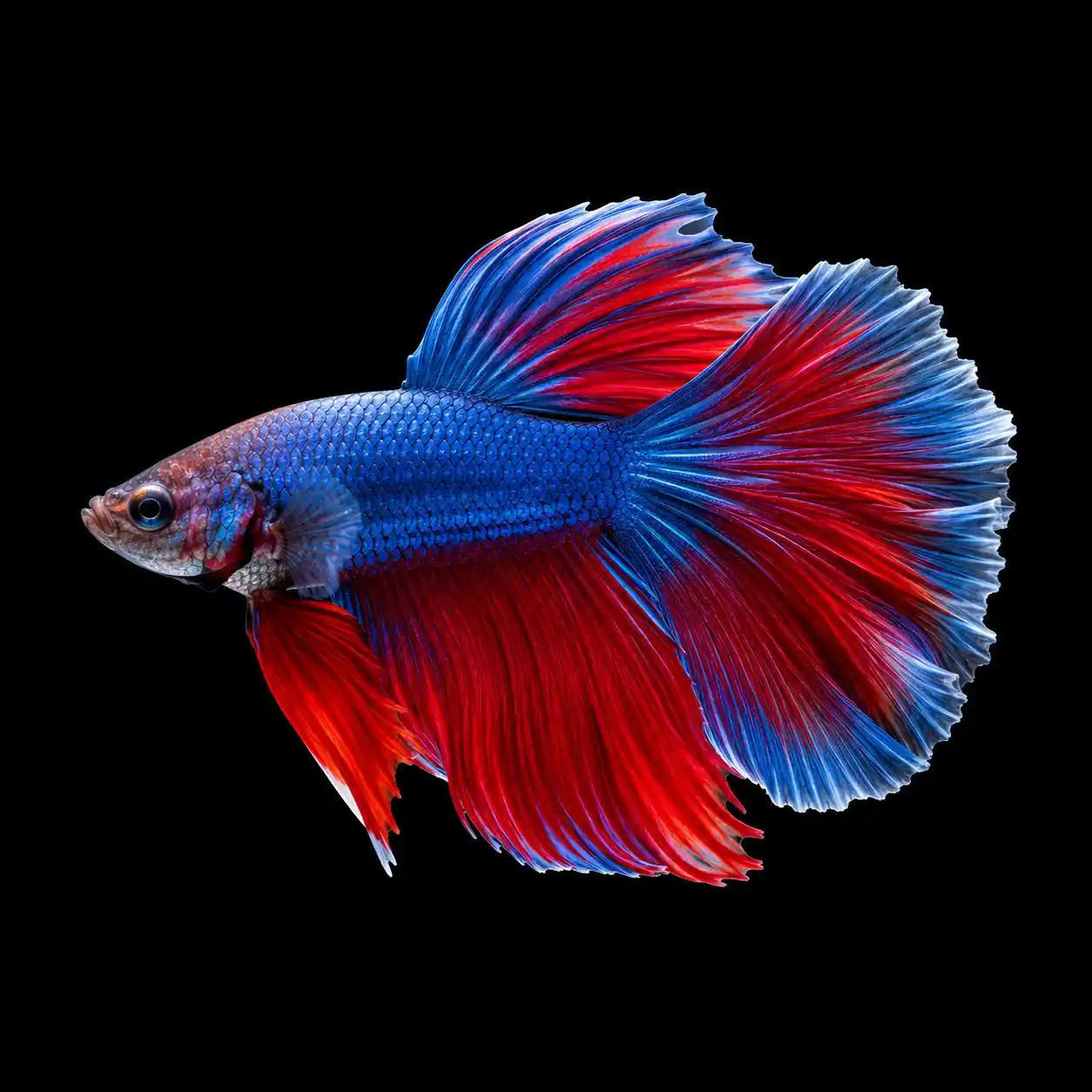
Platy
Xiphophorus maculatus
A cheerful, hardy livebearer available in dozens of colours.
| Difficulty | Beginner |
| Min. Tank Size | 55 L |
| Temperature | 21.0–28.0 °C |
| pH Range | 7.0–8.2 |
| Max Size | 6.0 cm |
| Lifespan | 3-4 years |
| Diet | Omnivore |
| Temperament | Peaceful |
Overview
The Platy (Xiphophorus maculatus) is a cheerful, hardy livebearer available in dozens of colours. It is one of the most recognisable members of the livebearers group kept by Australian aquarists, valued for its appearance, manageable adult size of around 6.0 cm and its peaceful nature.
This guide covers everything you need to keep the Platy successfully - ideal tank size and setup, water parameters, diet, suitable tank mates, breeding, how to tell males from females, and the health problems to watch for. Rated Beginner to care for, it can live for roughly 3-4 years when its needs are met.
Natural Habitat & Origin
Livebearers such as this one come from the warm, hard, mineral-rich waters of Central America, Mexico and the Caribbean, ranging from streams and ditches to brackish coastal lagoons. Because of this they prefer harder, slightly alkaline water - which conveniently matches the tap water across much of Australia - and adapt readily to a wide range of conditions.
Understanding where a fish comes from is the shortcut to keeping it well: matching the temperature, water chemistry and amount of cover it evolved with is far more effective than fighting against its nature.
Tank Size & Aquarium Setup
Provide a minimum of 55 litres for the Platy. Because it is a shoaling fish kept in groups, floor space and swimming length matter more than height.
Fit a lid to prevent jumping and to keep the tank warm and stable.
Live plants, driftwood and some shaded retreats give the fish security and show off its colours against a natural backdrop.
Mature, well-cycled biological filtration is essential before adding any fish. Match the filter's flow to the fish - moderate for most, stronger and more oxygenated for hillstream and riverine species.
Water Parameters
Keep the Platy in stable water at 21-28 °C with a pH of 7.0-8.2. It appreciates harder, more alkaline water, which suits much of Australia's tap supply.
Test your water regularly: ammonia and nitrite must always read zero, and nitrate should be kept low (ideally under 20-40 ppm) with routine partial water changes. Sudden swings in temperature or chemistry cause far more illness than water that is slightly 'wrong' but stable, so always dechlorinate and temperature-match new water.
Diet & Feeding
The Platy is an omnivore and an easy feeder. A quality flake or micro-pellet forms a good staple, enriched several times a week with frozen and live foods such as bloodworm, daphnia and brine shrimp for colour and condition.
Feed small amounts once or twice a day - only as much as the fish clears in a minute or two - and consider one fasting day a week. Overfeeding is the single most common cause of pollution and disease in home aquariums.
Temperament & Tank Mates
The Platy is an excellent peaceful community fish. It mixes happily with other calm species that share its temperature (21-28 °C) and pH (7.0-8.2) needs, are too large to be eaten, and are not large enough to eat it.
Keep it in a small group rather than singly; it is a social fish that is shyer and less active when kept alone.
Breeding
The Platy is a prolific livebearer - females give birth to free-swimming fry every 4-6 weeks with no special effort. Provide dense planting or a breeding box so some fry escape being eaten.
Even if you do not plan to breed it, understanding this behaviour helps you recognise it in the tank and respond appropriately - for example by adding cover for fry or by giving a guarding pair some space.
How to Tell Males from Females
Sexing livebearers is easy. Males are smaller and slimmer with a modified, pointed anal fin called a gonopodium, while females are larger, rounder-bellied and have a normal fan-shaped anal fin.
Common Health Problems
Like most aquarium fish it is susceptible to white spot (ich), fin rot and fungal infections, almost always triggered by stress or poor water quality. Quarantine new arrivals for 2-4 weeks to keep your main tank disease-free.
Prevention is far easier than cure: keep water pristine, avoid overstocking and overfeeding, quarantine new arrivals for two to four weeks, and watch daily for early warning signs such as clamped fins, loss of appetite, flashing (rubbing on objects) or laboured breathing. Caught early, most problems are very treatable.
Is the Platy Right for You?
The Platy is a rewarding choice for beginners and experienced keepers alike, as long as you can provide at least 55 litres, water at 21-28 °C and pH 7.0-8.2, the right diet and a proper group of its own kind.
Get those basics right and you will enjoy a healthy, colourful Platy for around 3-4 years. For tank planning, try our free aquarium tools, and browse our fish, plant and disease guides to build the perfect community.