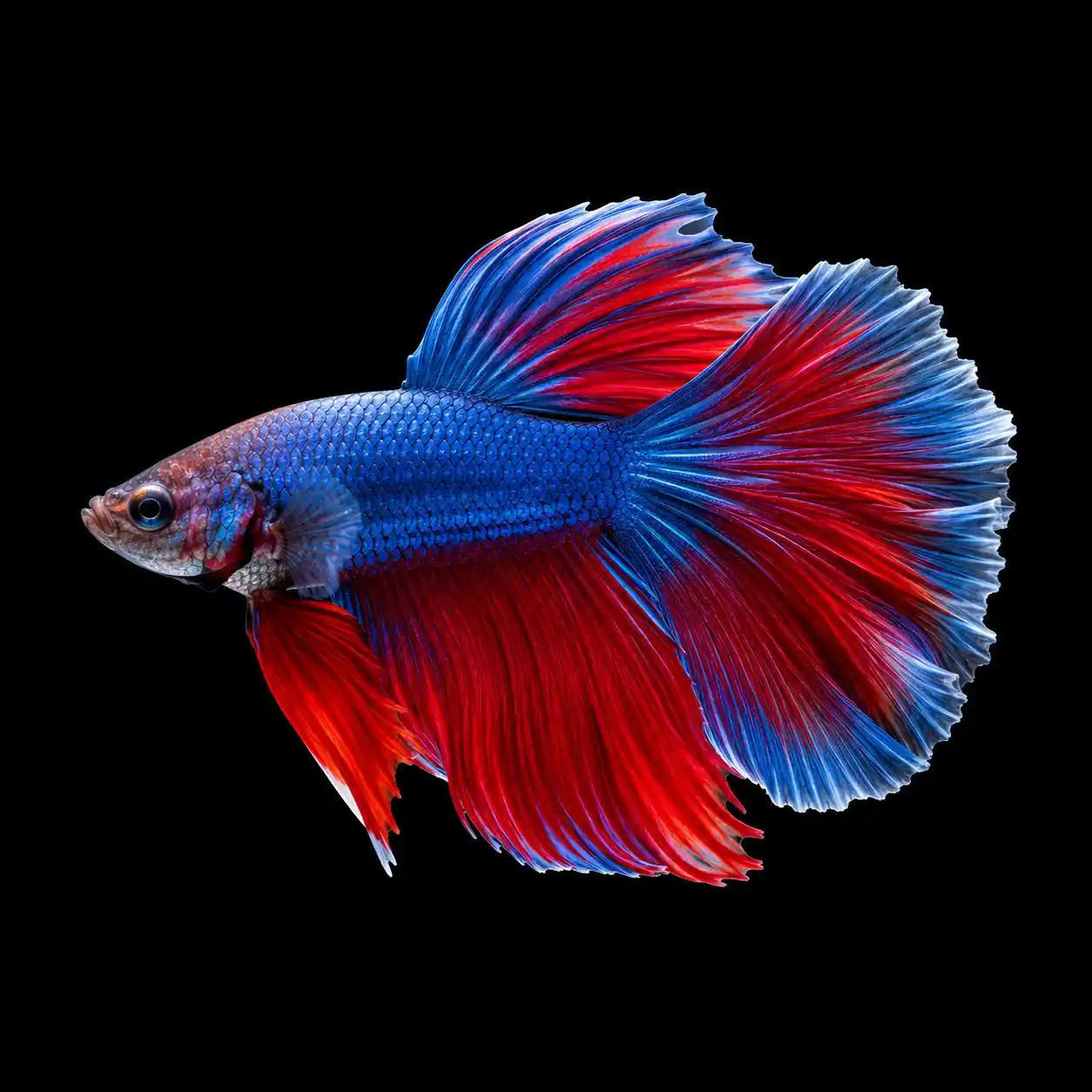
Clown Barb
Barbodes everetti
A big, handsome spotted barb that needs space and a large group.
| Difficulty | Intermediate |
| Min. Tank Size | 200 L |
| Temperature | 23.0–28.0 °C |
| pH Range | 6.0–7.5 |
| Max Size | 12.0 cm |
| Lifespan | 5-7 years |
| Diet | Omnivore |
| Temperament | Peaceful |
Overview
The Clown Barb (Barbodes everetti) is a big, handsome spotted barb that needs space and a large group. It is a popular choice among Australian aquarists, reaching around 12 cm and living roughly 5-7 years when properly cared for.
This complete guide covers how to keep the Clown Barb successfully - tank size and setup, water parameters, the best foods (including recommended brands), suitable tank mates, breeding, sexing and the health issues to watch for. It is rated Intermediate to care for.
Natural Habitat & Origin
Barbs originate from the streams, rivers and pools of South and South-East Asia, and most are adaptable, active fish that appreciate room to swim and the security of a group.
Matching the temperature, water chemistry and cover a species evolved with is the simplest route to keeping it healthy and seeing its natural behaviour and colour.
Tank Size & Aquarium Setup
Provide a minimum of 200 litres for the Clown Barb. As a group-living species, swimming length and floor space matter more than height.
Live plants, driftwood and shaded retreats give security and show off the fish's colours against a natural backdrop.
Always add fish only to a fully cycled, mature tank with stable biological filtration. Match filtration generously to the fish's size and waste output.
Water Parameters
Keep the Clown Barb in stable water at 23-28 °C with a pH of 6.0-7.5. It adapts to a moderate range, so stability matters more than an exact figure.
Test regularly: ammonia and nitrite must read zero, and nitrate should be kept low with routine partial water changes. Always dechlorinate and temperature-match new water, because sudden swings cause far more illness than water that is stable but slightly imperfect.
Diet & Feeding
The Clown Barb is an easy-going omnivore that accepts a wide range of foods.
In Australia, good options include API Tropical Flakes or Pellets, Hikari Micro Pellets or Tropical, and Dymax frozen brine shrimp and bloodworm as treats. Feed small amounts once or twice a day (only what is cleared in a minute or two), vary the diet for the best colour and health, and avoid overfeeding, which is the leading cause of poor water quality.
Temperament & Tank Mates
The Clown Barb is peaceful and community-friendly. It mixes well with other calm species that share its temperature (23-28 °C) and pH (6.0-7.5) needs, are too large to be eaten and not large enough to eat it.
Crucially, keep the Clown Barb in a group of at least 6 (8 or more is better). A proper shoal is calmer, bolder, more colourful and far less likely to harass tank mates - keeping too few is a common cause of stress and nipping.
Breeding
The Clown Barb is an egg-scattering species. To breed it, condition a group on rich foods, then move them to a dim tank with fine-leaved plants or a spawning mop; the parents scatter eggs and will eat them, so remove the adults after spawning.
Even if you are not planning to breed it, recognising this behaviour helps you understand what you are seeing and respond well - for example by adding cover for fry or giving a guarding pair extra space.
How to Tell Males from Females
Males are slimmer and more vividly coloured, intensifying in breeding condition, while females are plumper and more subdued.
Common Health Problems
Like most aquarium species it can suffer from white spot (ich), fin rot and fungal or bacterial infections, almost always triggered by stress or poor water quality. Quarantine new arrivals for 2-4 weeks and watch daily for early signs such as loss of appetite, unusual hiding, clamped fins or laboured breathing - caught early, most issues are very treatable.
Prevention beats cure: keep water pristine, avoid overstocking and overfeeding, quarantine new arrivals, and act at the first sign of trouble.
Is the Clown Barb Right for You?
The Clown Barb suits keepers with some experience and a stable, mature, appropriately sized tank, as long as you can provide at least 200 litres, water at 23-28 °C and pH 6.0-7.5, the right diet and a proper group of its own kind.
Meet those needs and the Clown Barb will reward you for around 5-7 years. Use our free aquarium calculators to plan your setup, and explore our other fish, plant and disease guides to build a thriving aquarium.