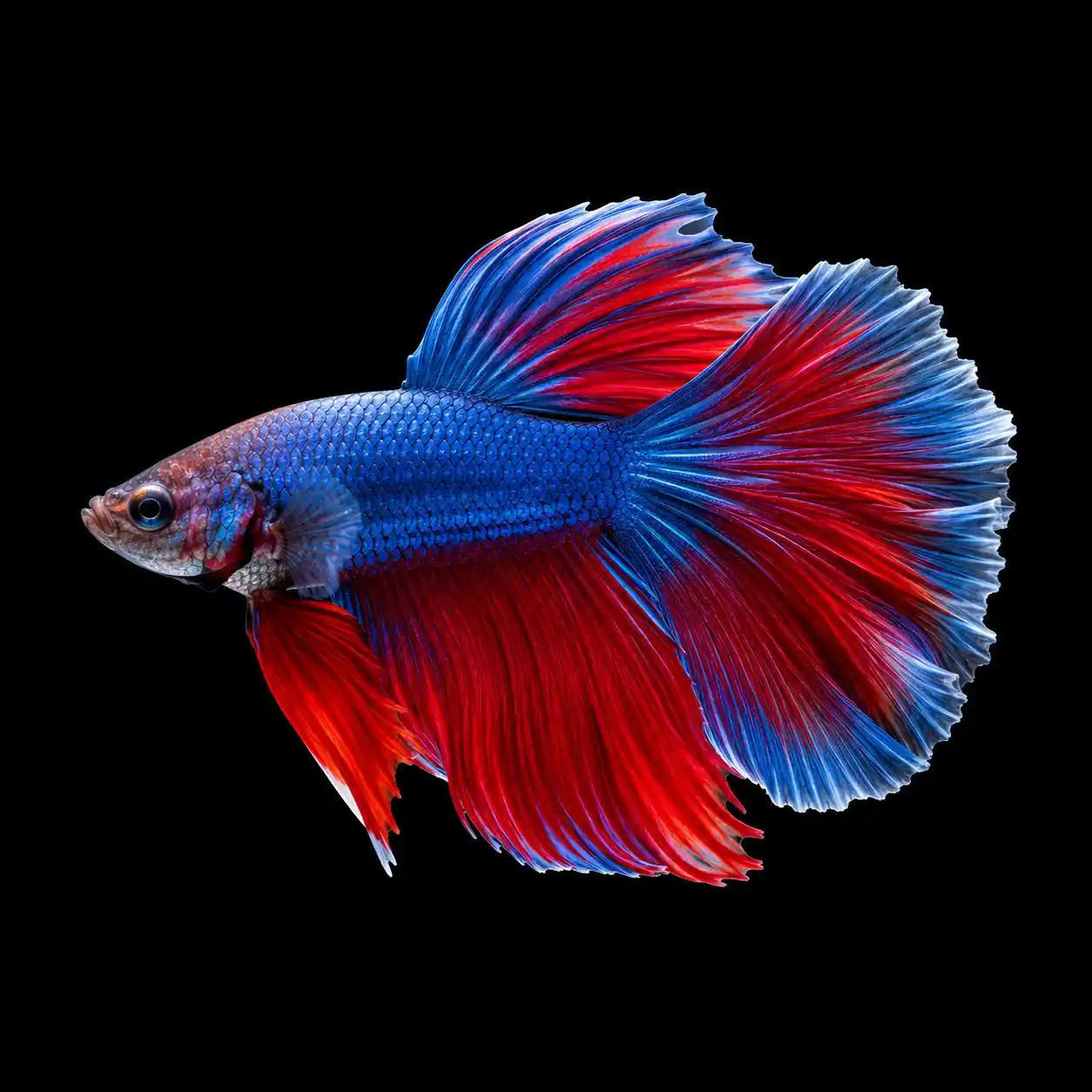
Axelrod Rasbora
Sundadanio axelrodi
A jewel-like blue-and-red micro fish for soft, acidic blackwater setups.
| Difficulty | Advanced |
| Min. Tank Size | 30 L |
| Temperature | 23.0–27.0 °C |
| pH Range | 4.0–6.5 |
| Max Size | 2.0 cm |
| Lifespan | 2-3 years |
| Diet | Omnivore |
| Temperament | Peaceful |
Overview
The Axelrod Rasbora (Sundadanio axelrodi) is a jewel-like blue-and-red micro fish for soft, acidic blackwater setups. It is one of the most recognisable members of the rasboras group kept by Australian aquarists, valued for its appearance, manageable adult size of around 2.0 cm and its peaceful nature.
This guide covers everything you need to keep the Axelrod Rasbora successfully - ideal tank size and setup, water parameters, diet, suitable tank mates, breeding, how to tell males from females, and the health problems to watch for. Rated Advanced to care for, it can live for roughly 2-3 years when its needs are met.
Natural Habitat & Origin
Rasboras inhabit the soft, acidic, slow-moving blackwater streams, peat swamps and forest pools of South-East Asia. The water is warm and stained with tannins under a shaded canopy, so dim lighting, driftwood and dense planting help them feel secure and display their colours.
Understanding where a fish comes from is the shortcut to keeping it well: matching the temperature, water chemistry and amount of cover it evolved with is far more effective than fighting against its nature.
Tank Size & Aquarium Setup
Provide a minimum of 30 litres for the Axelrod Rasbora. Because it is a shoaling fish kept in groups, floor space and swimming length matter more than height.
Fit a lid to prevent jumping and to keep the tank warm and stable.
Dark substrate, driftwood, leaf litter and dense planting with some open swimming space recreate its shaded blackwater home and intensify its colours.
Mature, well-cycled biological filtration is essential before adding any fish. Match the filter's flow to the fish - moderate for most, stronger and more oxygenated for hillstream and riverine species.
Water Parameters
Keep the Axelrod Rasbora in stable water at 23-27 °C with a pH of 4.0-6.5. Soft, acidic water brings out its best colour and is important for long-term health and any hope of breeding.
Test your water regularly: ammonia and nitrite must always read zero, and nitrate should be kept low (ideally under 20-40 ppm) with routine partial water changes. Sudden swings in temperature or chemistry cause far more illness than water that is slightly 'wrong' but stable, so always dechlorinate and temperature-match new water.
Diet & Feeding
The Axelrod Rasbora is an omnivore and an easy feeder. A quality flake or micro-pellet forms a good staple, enriched several times a week with frozen and live foods such as bloodworm, daphnia and brine shrimp for colour and condition.
Feed small amounts once or twice a day - only as much as the fish clears in a minute or two - and consider one fasting day a week. Overfeeding is the single most common cause of pollution and disease in home aquariums.
Temperament & Tank Mates
The Axelrod Rasbora is an excellent peaceful community fish. It mixes happily with other calm species that share its temperature (23-27 °C) and pH (4.0-6.5) needs, are too large to be eaten, and are not large enough to eat it.
Crucially, the Axelrod Rasbora must be kept in a group of at least 6 of its own kind (8-12 is better). A proper shoal is calmer, bolder, more colourful and far less likely to pester other fish - skimping on numbers is the most common cause of stress and nipping.
Breeding
The Axelrod Rasbora is an egg-scattering species. To breed it, condition a group on live and frozen foods, then move them to a dim tank with fine-leaved plants or a spawning mop; the parents scatter eggs and will eat them, so remove the adults after spawning.
Even if you do not plan to breed it, understanding this behaviour helps you recognise it in the tank and respond appropriately - for example by adding cover for fry or by giving a guarding pair some space.
How to Tell Males from Females
Female rasboras are usually plumper and slightly larger, while males tend to be slimmer with more saturated colour, a difference that becomes obvious in breeding condition.
Common Health Problems
Like most aquarium fish it is susceptible to white spot (ich), fin rot and fungal infections, almost always triggered by stress or poor water quality. Quarantine new arrivals for 2-4 weeks to keep your main tank disease-free.
Prevention is far easier than cure: keep water pristine, avoid overstocking and overfeeding, quarantine new arrivals for two to four weeks, and watch daily for early warning signs such as clamped fins, loss of appetite, flashing (rubbing on objects) or laboured breathing. Caught early, most problems are very treatable.
Is the Axelrod Rasbora Right for You?
The Axelrod Rasbora is a rewarding choice for fishkeepers with a little experience and a stable, mature tank, as long as you can provide at least 30 litres, water at 23-27 °C and pH 4.0-6.5, the right diet and a proper group of its own kind.
Get those basics right and you will enjoy a healthy, colourful Axelrod Rasbora for around 2-3 years. For tank planning, try our free aquarium tools, and browse our fish, plant and disease guides to build the perfect community.